
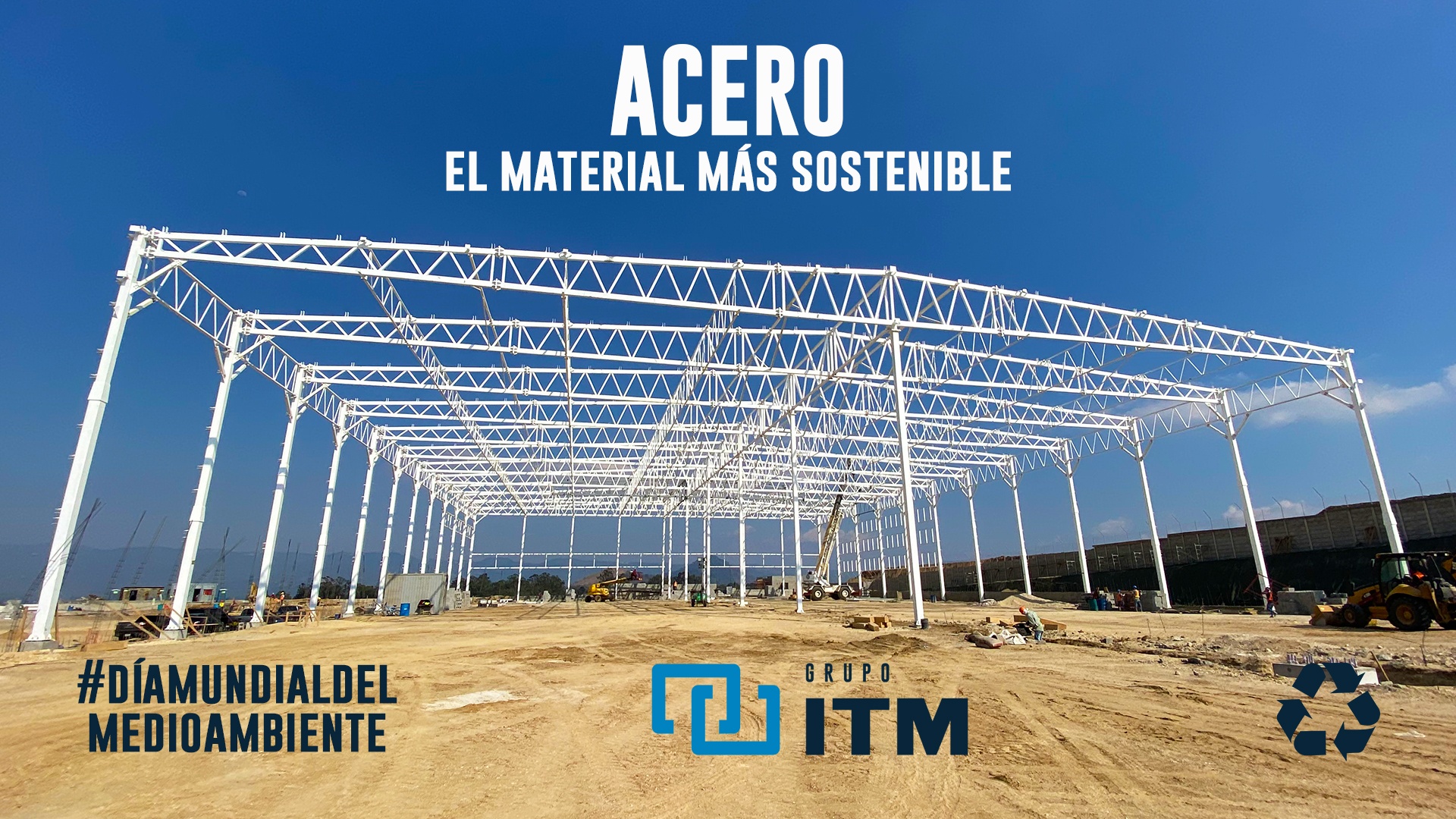
Steel is the ideal construction material because no other material combines its characteristics: strength, plasticity, and versatility. In the industrial sector, it is used by telecommunications, infrastructure, electricity, construction companies, among others. It can be used again and again without losing quality or strength. Unlike most materials, used steel can be improved; that is, its quality and strength can be increased through recycling.
It has a 98%% recycling recovery rate and possesses numerous properties that keep it in excellent condition throughout its useful life and make it easy to recycle, which is why it is considered one of the most sustainable materials in various industries.
World crude steel production from the 64 countries reporting to the World Steel Association (worldsteel) was 169.5 million tonnes (Mt) in April 2021, an increase of 23.3% compared to April 2020. *North America produced 9.7 Mt, 38.2% higher while *South America produced 3.8 Mt, 70.9% higher.
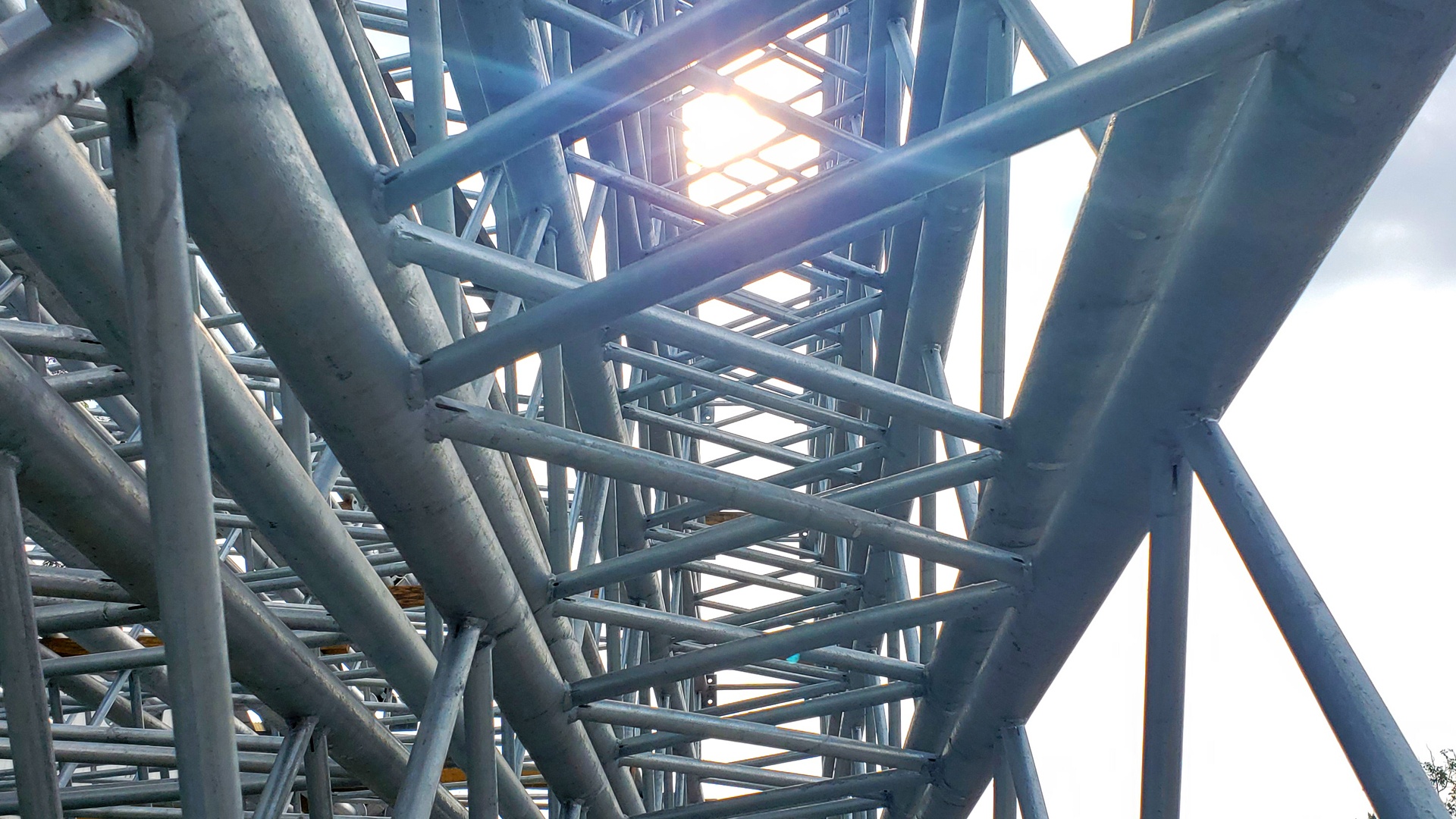
The 90% of steel Everything produced in the world is recycled. Our lives are surrounded and conditioned by steel. There is steel everywhere; roads, vehicles, in buildings, in water pipes, in the machinery that generates and conducts energy, in factory tools, in road infrastructure, to mention a few.
An important fact is that steel has the best strength-to-weight ratio of all known structural materials, meaning that the same structural performance can be achieved with another building material but with a much smaller amount of material, which also makes it sustainable.
It is necessary to adopt sustainable practices throughout the entire production process. This includes everything from regulating energy expenditure to the correct disposal of waste; therefore, ITM Group adopts themes such as innovation, optimization, and technologies aimed at being efficient in the manufacturing processes of metal structures for various applications thinking not only about customer satisfaction and solving their needs, but also about environmental sustainability.
