
Metallic corrosion includes oxidation or exposure to oxygen in the environment and electrochemical processes, meaning the metal forms corrosion cells on its surface which greatly accelerate the transformation of the metal to a mineral state and involve both chemical reactions and the flow of electrons. In short, corrosion is the gradual destruction and disintegration of materials.
This can affect the material not only externally but also deteriorate it internally and can be as serious as a silent disease, so that by the time we realize it, it is too late and there is nothing more that can be done to save the affected structure. Many conditions favor it, such as surface conditions, temperature, contaminated environments, biological effects, and the passage of time with exposure to the aforementioned, among the most common.
The effects of corrosion in our daily lives are varied and often go unnoticed, however, they can directly affect us. In the home, for example, doors, pipes, and buildings are damaged by corrosion, which affects them aesthetically, economically, and most importantly leads to accidents that can have serious consequences.
On our daily journey on public roads, the corrosion of a damaged vehicular overpass, the collapse of towers and poles, dilapidated buildings, parking lots and walkways with metal structures on the verge of falling, perimeter fences (handrails), playground equipment, in short, any metal structure with corrosion that we encounter along our way can represent a danger to our lives, and cause anything from a minor injury to death.
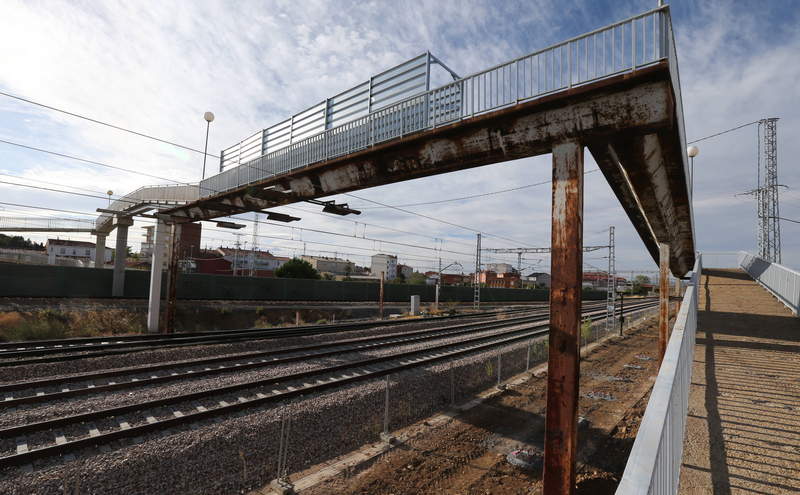
In industrial plants, corrosion can seriously affect product costs. It can also cause equipment failures, contaminate products, release toxins, collapse structures, lead to environmental pollution from chemical leaks in corroded equipment, deplete natural resources, among other things, negatively and directly impacting an entire society.
Besides those previously mentioned, there are other consequences that affect us indirectly. Of course, this is not a new problem, but due to massive industrialization and the development of more machines and structures containing iron or steel, corrosion is more visible today.
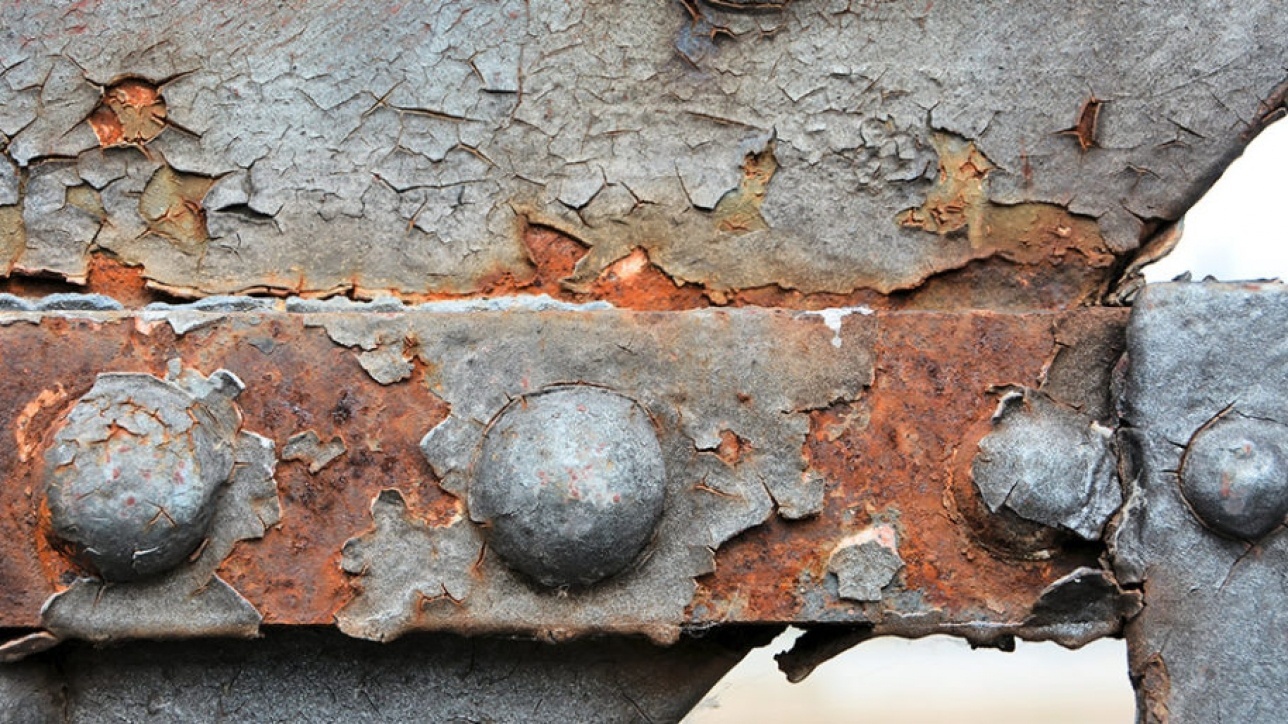
One of the most widely applied methods for protecting metals against corrosion is hot-dip galvanizing, composed of zinc, which is metallurgically bonded to steel with the option of applying an electrostatic paint coating that not only provides an aesthetic benefit but also contributes to minimizing the impact of contaminants on the metal, thus providing an advanced and cost-effective anticorrosive coating.
